
One of the most common questions we get during consultations is whether a design will work better as fine line or a bolder, traditional-style tattoo. Both styles are beautiful, but they behave very differently on skin. Here's how to choose.
What Is Fine Line Tattooing?
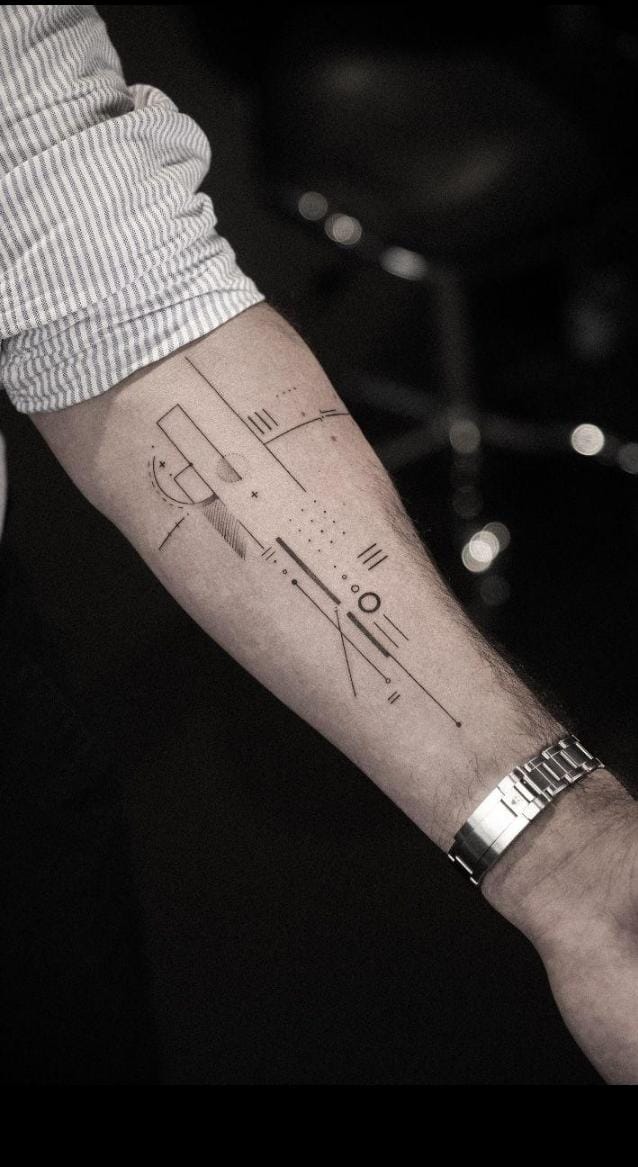
Fine line tattoos use a single, thin needle to create delicate, precise linework with minimal shading. The result is a light, elegant look often used for:
- Minimalist symbols and small icons
- Botanical designs — single stems, delicate florals
- Script and handwriting-style text
- Simple line-art portraits or outlines
It's a favourite for first tattoos and for anyone who wants something subtle and refined rather than bold and graphic.
What Is Traditional/Black & Grey Tattooing?
Traditional and black & grey tattoos use bolder linework, heavier shading, and more saturation to build depth and contrast. This style suits:
- Larger pieces meant to be seen from a distance
- Realistic or semi-realistic imagery with dimension
- Bold statement pieces — sleeves, back pieces, chest work
- Designs that need strong visual impact
Longevity: Which Style Ages Better?
This is where the two styles differ most. Bolder lines and heavier shading tend to hold their shape and saturation for longer as skin ages and stretches over the years. Fine line tattoos, because the ink sits in a much thinner channel, can soften or blur slightly faster over a decade or more — especially on areas of the body that see more sun exposure or movement.
This doesn't mean fine line tattoos fade quickly — with good aftercare and sun protection, they hold up well for years. It simply means the crisp, delicate look is naturally a little more delicate over the very long term compared to bold traditional work.
Pain and Session Time
Fine line work is often (though not always) quicker to complete for small-to-medium designs since there's less shading involved. Traditional and black & grey pieces with heavy shading typically require more time in the chair, especially for larger designs.
Placement Considerations
Fine line tattoos tend to look best in areas with less natural movement and stretching — forearms, ankles, collarbones, and ribs are popular spots. Bolder traditional work handles high-movement or larger canvas areas (like the back, thigh, or full sleeve) especially well, since the design holds its clarity even as the piece scales up.
Can You Mix Both Styles?
Absolutely. Many of our clients combine fine detail work with bolder shading in the same piece — delicate linework for fine details like feathers or petals, paired with deeper shading for depth elsewhere in the design. Our artists can advise on the right balance during your free consultation.
Which Should You Choose?
Ask yourself:
- Do you want something subtle and understated? Fine line is likely your style.
- Do you want a bold, high-impact piece? Traditional/black & grey will hold up better and read clearly from a distance.
- Is this a larger design meant to last decades unchanged? Bolder work is generally more forgiving over time.
- Is this a small, personal, minimalist piece? Fine line is ideal.
Pricing Difference
Fine line tattoos at MJ Art Tattoo Studio start from ₹2,000, while traditional and black & grey pieces are priced by size and shading complexity — see our full pricing guide for details.
How Skin Type Affects the Decision
Skin texture and oiliness can influence how crisply a fine line design holds up over the years — naturally oilier skin, for instance, can cause very fine lines to soften slightly faster than on drier skin types. This isn't a reason to avoid fine line work, but it's worth discussing with your artist during your consultation, especially for areas of the body more prone to oil or sweat, like the chest or upper back.
Touch-Up Expectations for Each Style
Both styles can benefit from a touch-up over time, but for different reasons. Fine line pieces may need a light refresh after several years to keep lines crisp, particularly in high-movement areas. Traditional and black & grey work is more likely to need touch-ups for colour saturation rather than line clarity. Either way, we offer free touch-ups within 3 months of your original session, and are always happy to advise on longer-term refresh timelines during a check-in visit.
Real Examples From Our Studio
Browse our gallery to see both styles in action — from delicate fine line florals and script to bold black & grey realism and traditional linework. Seeing real healed examples (not just fresh photos) is one of the best ways to judge how each style ages, so ask your artist to show you healed reference photos during your consultation.
Can You Change Your Mind Later?
If you start with fine line and later want a bolder look, many designs can be enhanced with additional shading or linework in a follow-up session. Going the other way — softening a bold traditional piece into something finer — is much harder, since you can't remove ink that's already there. If you're unsure, it's often safer to start more delicate and build up boldness later than the reverse.
Fine Line vs Traditional: Quick Questions
Which style is better for a first tattoo?
Both work well for first tattoos, but fine line is often chosen for its subtlety and typically quicker session time.
Does fine line tattooing hurt less?
Not necessarily — pain depends more on placement than needle style. Session length may be shorter for simple fine line designs, though.
Can traditional tattoos be made smaller?
To a point, yes, but very small traditional-style designs can lose clarity as bold shading needs enough space to read properly. Your artist will advise on a workable minimum size.
Getting Expert Advice for Your Specific Design
The right style for your tattoo really does depend on the specific design, placement, and how you want it to age — there's no single universal answer. This is exactly why we offer a free consultation before every booking. Our artists have worked across both fine line and bold traditional styles for years and can tell you honestly which approach will serve your idea best, rather than pushing whichever style is trendiest.
Not sure which style suits your idea? Send us your reference image on WhatsApp and we'll recommend the best approach for your design and placement.
Ready to plan your tattoo?
Book a free consultation with MJ Art Tattoo Studio in Kalyan — no obligation, just honest advice.
WHATSAPP US BOOK CONSULTATION