
Understanding what's normal at each stage of tattoo healing helps you relax through the process instead of worrying every time your tattoo looks a little different than the day before. Here's a realistic, stage-by-stage breakdown.
Stage 1: Days 1–3 — The Open Wound Stage
Your tattoo is essentially a controlled wound at this point. Expect:
- Redness and mild swelling around the design
- Oozing of clear or slightly bloody fluid mixed with excess ink
- Warmth in the tattooed area
- The tattoo looking especially bold and saturated
This is completely normal. Clean gently 2–3 times daily as outlined in our aftercare guide, and keep the area lightly moisturised.
Stage 2: Days 4–7 — The Peeling Begins
The surface layer of skin starts to dry out and peel, similar to sun-peeling skin. You'll notice:
- The tattoo looking duller or slightly cloudy as thin layers of skin flake off
- Light itching as new skin forms underneath
- Small flakes of skin and ink coming away — this does not mean your ink is fading
Do not pick or scratch at this stage — let flakes come away naturally in the shower or while gently patting the area dry.
Stage 3: Days 7–14 — Peeling and Itching Peak
This is often the most uncomfortable stage, purely because of the itching. Some tips to manage it without disrupting healing:
- Pat or lightly slap the itchy area instead of scratching
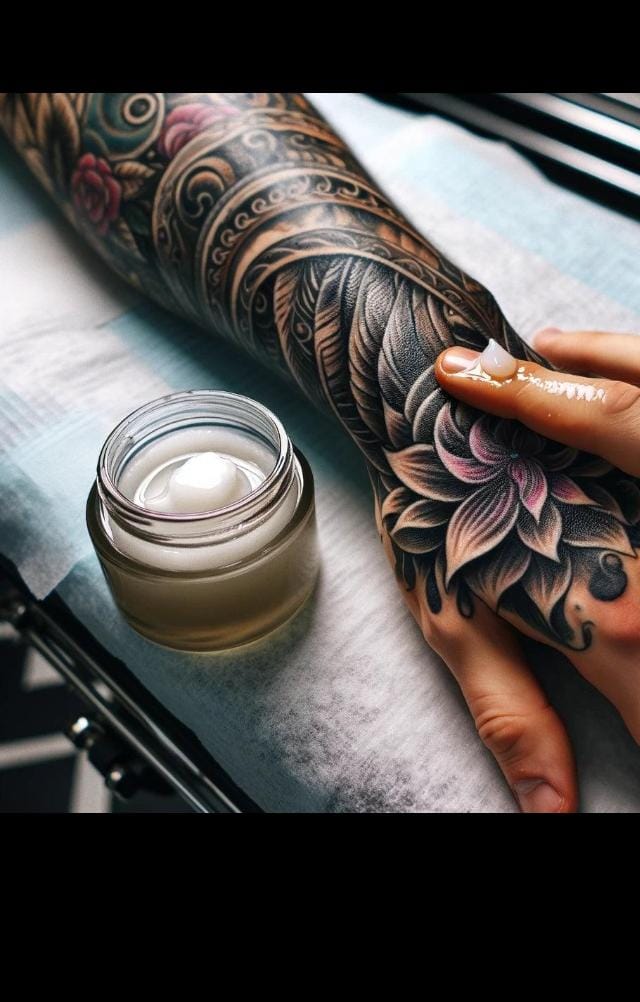
- Apply a thin layer of moisturiser to ease dryness
- Wear loose clothing over the area to reduce friction
By the end of this stage, most of the visible flaking should be complete.
Stage 4: Weeks 2–3 — Surface Healing Complete
The top layer of skin has now healed. The tattoo should look smoother, with colours becoming clearer as the last of the dullness fades. Skin may still look slightly shiny or delicate — continue light moisturising and avoid direct sun.
Stage 5: Months 1–6 — Deep Healing
Even though the tattoo looks fully healed on the surface within a few weeks, the deeper layers of skin continue to settle for months. During this time:
- Colours "set" into their final, true tone
- Any minor unevenness in saturation typically resolves
- The tattoo becomes more resilient to everyday friction and sun exposure
This is also the point where, if any small touch-ups are needed, they're most effective — we offer free touch-ups within 3 months for tattoos done at our studio.
What's NOT Normal
Contact us if you notice increasing (not decreasing) redness after day 3–4, pus or unusual discharge, a fever, or pain that worsens instead of improving. These can indicate infection and are worth checking, though they're uncommon with proper studio hygiene and aftercare.
Speeding Up Healing (Safely)
You can't rush skin biology, but you can avoid slowing it down:
- Stay hydrated — well-hydrated skin heals more efficiently
- Eat well — protein supports skin repair
- Avoid alcohol and smoking during the first week if possible
- Sleep on the opposite side of a fresh tattoo where possible to avoid pressure and friction
Factors That Affect Healing Speed
Not everyone heals at exactly the same pace. Things that influence your personal healing timeline include:
- Placement: Areas with more movement (hands, feet, joints) tend to heal slower than flatter areas like the forearm or thigh
- Size and detail: Larger, more heavily worked areas naturally take longer to fully settle
- Skin type: Naturally drier or more sensitive skin may flake more visibly during healing
- Aftercare consistency: Sticking closely to cleaning and moisturising instructions makes a measurable difference
- Overall health: Hydration, sleep, and nutrition all play a role in how efficiently skin repairs itself
Common Healing Myths
"More moisturiser heals faster"
Not true — over-moisturising can actually trap bacteria and slow healing. A thin layer is all skin needs.
"Peeling means the ink is coming out"
Peeling is just the surface skin shedding, similar to a light sunburn. The ink sits in the deeper dermis layer and isn't lost through normal peeling.
"If it itches, something's wrong"
Mild itching is a normal part of new skin forming underneath. It only becomes a concern if paired with increasing redness, swelling, or discharge.
Comparing Healing by Body Area
Some placements are known for healing a little differently:
- Forearms and upper arms: Generally heal predictably and comfortably
- Ribs and torso: Movement from breathing can extend the itchy stage slightly
- Hands and fingers: Heal slower due to constant washing and use, and may need extra touch-up care
- Feet and ankles: Circulation is naturally slower here, so healing can take a bit longer than other areas
Should You Track Your Healing?
Taking a quick photo every few days (in similar lighting) can be genuinely useful — not for social media, but to reassure yourself that things are progressing normally, and to have a clear reference if you ever need to show your artist how healing looked at a particular stage. Many clients find this simple habit reduces unnecessary worry during the itchy, flaky middle stages.
When to Consider a Touch-Up
Once your tattoo has fully healed (around the 4–6 week mark), take an honest look at the result. Minor unevenness in saturation or a small gap in a line is normal to notice at this stage and is exactly what touch-ups are for. We offer free touch-ups within 3 months of your original session for tattoos done at our studio — simply get in touch once you've had time to see the fully healed result.
Have a question about how your tattoo is healing? Message us on WhatsApp — we're happy to take a look and reassure you if something seems off.
Support Through Every Stage
Healing can feel uncertain, especially with your first tattoo, and it's normal to want reassurance along the way. That's why every MJ Art Tattoo Studio client gets written aftercare instructions and direct WhatsApp access to check in during healing — you're never left guessing whether what you're seeing is normal or not.
Ready to plan your tattoo?
Book a free consultation with MJ Art Tattoo Studio in Kalyan — no obligation, just honest advice.
WHATSAPP US BOOK CONSULTATION