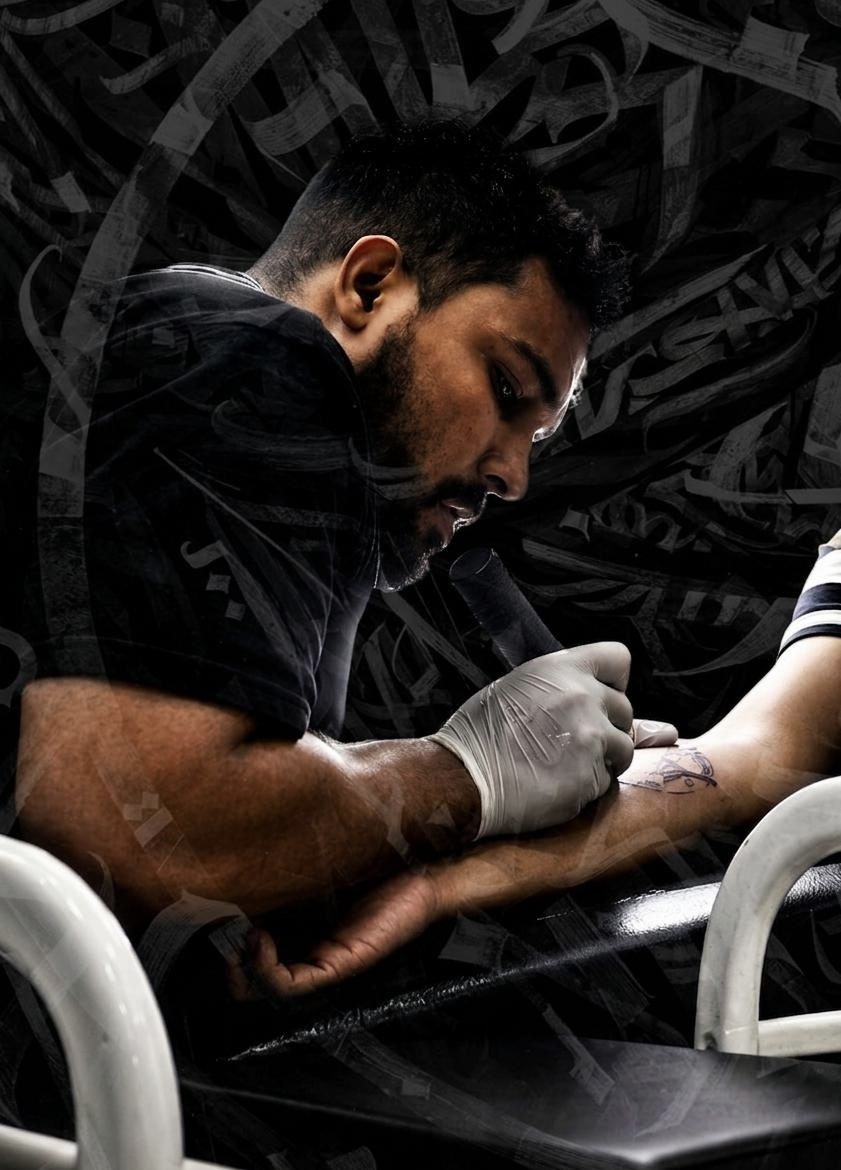

Tattooing is equal parts art, technique, and responsibility — and becoming a professional artist takes real, hands-on training, not just talent with a pencil. If you're considering tattoo training in Kalyan, here's what a serious program should actually teach you.
Why Proper Training Matters
Tattooing is permanent, and it involves working on living human skin with equipment that must be handled with strict hygiene discipline. Self-taught or poorly trained artists put clients at real risk — from uneven technique to serious hygiene failures. Professional training exists to build both artistic skill and safety discipline from day one.
What a Good Tattoo Training Program Should Cover
1. Machine Handling
Understanding your tattoo machine — needle depth, speed, voltage, and how different configurations affect linework versus shading — is foundational. Trainees practice extensively on practice skin before ever working on a real client.
2. Hygiene and Sterilisation Protocols
This is non-negotiable. Training should cover single-use needle handling, equipment sterilisation, cross-contamination prevention, safe disposal of sharps, and proper use of gloves and barrier film — the same hospital-grade standards we follow with every client at our studio.
3. Linework Fundamentals
Clean, consistent linework is the backbone of good tattooing. Training builds control through repetition — steady hand pressure, consistent needle depth, and smooth line flow across different body contours.
4. Shading and Colour Technique
Once linework is solid, trainees move to shading techniques — building smooth gradients, blending colour, and understanding how ink settles and heals differently across skin types.
5. Skin Preparation and Stencil Application
Correct skin prep and stencil placement are what separate a professional result from an amateur one — including understanding how designs will stretch, shift, and age on different body areas.
6. Client Consultation Skills
Training also covers the "soft skills" — how to translate a client's idea into a workable design, set realistic expectations on pain, healing and pricing, and communicate confidently during a session.
How Long Does Training Take?
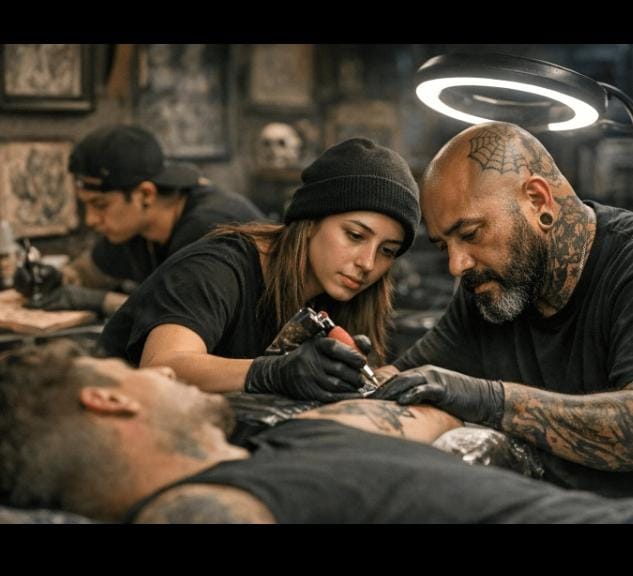
This varies by program and the trainee's prior art background, but most structured tattoo training runs from a few months to a year of consistent, hands-on mentorship before an apprentice is ready to tattoo clients independently under supervision.
Our Approach to Tattoo Training in Kalyan
MJ Art Tattoo Studio offers hands-on professional tattoo training for aspiring artists, built around real studio experience rather than just theory. Trainees learn directly under our experienced artists, covering machine handling, hygiene protocols, linework, shading, and client consultation — the same standards we hold ourselves to with every client.
Who Is Tattoo Training For?
- Artists with a strong drawing background looking to move into tattooing professionally
- Aspiring tattoo artists who want structured, mentored learning rather than teaching themselves
- Anyone serious about building a long-term career in the tattoo industry
What to Look for in a Training Studio
Not all tattoo training is created equal. Before committing to a program, it's worth asking:
- Will I get real, hands-on mentorship from an experienced, working artist — not just theory?
- Does the studio follow visibly strict hygiene standards I'll be trained to match?
- Will I get supervised practice before working on actual clients?
- Is there a structured path from practice skin to guided client sessions?
A studio's own standards are the best indicator of what you'll be taught — if a studio cuts corners on hygiene or professionalism with its clients, that's exactly what gets passed on to trainees.
Building Your Portfolio
As you train, building a strong portfolio becomes just as important as the technical skills themselves. Early portfolio pieces (often done on practice skin, then progressing to supervised client work) should show range — linework, shading, different styles — so future clients and studios can see your versatility as an artist.
Career Paths After Training
Once trained, most artists either continue working within a studio as a resident artist, or eventually branch out to guest spots and their own studio down the line. Either path benefits from the strong technical and hygiene foundation built during proper training — it's the difference between a short-lived hobby and a genuine long-term career.
Is Prior Art Experience Required?
A solid drawing foundation helps significantly, since tattooing translates 2D design skill onto a 3D, moving canvas (skin). If you're serious about tattooing but don't yet have strong drawing fundamentals, spending time building your sketching and shading skills before starting formal tattoo training will make the transition considerably smoother.
What Trainee Days Actually Look Like
Early on, expect to spend significant time on practice skin, repeating the same linework and shading exercises until they become second nature. As fundamentals solidify, trainees typically begin shadowing real client sessions, observing consultation conversations, skin prep, and machine handling up close before eventually beginning supervised work themselves.
Understanding Your Equipment
Part of training also covers the practical side of running a tattoo station — setting up and breaking down equipment correctly between clients, understanding which needle configurations suit different techniques, and maintaining machines properly. This equipment literacy is just as essential to professional tattooing as artistic skill.
Tattoo Training Frequently Asked Questions
Do I need an art degree to start tattoo training?
No formal degree is required, but a genuine drawing ability and willingness to practice extensively will serve you well from day one.
Will I tattoo real clients during training?
Eventually, yes — under close supervision, once your fundamentals on practice skin are solid. This transition happens gradually, not on day one.
Is tattoo training expensive?
Costs vary by program length and structure. Call us directly for current pricing and what's included in our training program.
Learn From an Established Studio
Training under artists who've spent over a decade building a trusted studio gives you more than technique — it gives you a realistic understanding of what running a professional tattoo career actually looks like, from client consultations to studio hygiene standards to building a lasting reputation. That's the foundation we aim to pass on to every trainee.
Interested in Training With Us?
Call +91 88988 58539 or message us on WhatsApp to ask about upcoming training batches at MJ Art Tattoo Studio in Kalyan.
Ready to plan your tattoo?
Book a free consultation with MJ Art Tattoo Studio in Kalyan — no obligation, just honest advice.
WHATSAPP US BOOK CONSULTATION